

A multi-location home service company should look for a branch directory platform that offers deep local SEO integration, real-time inventory or availability syncing, and a scalable architecture that prevents template bloat. The platform must allow each branch to rank independently in local search results while maintaining a unified brand identity. Adstonix engineers these systems to ensure that expanding into new markets does not dilute your local search visibility or slow down your website performance.
Local SEO Independence and Schema Architecture
The primary function of a branch directory is to help each location rank in the Google Local 3-Pack for its specific service area. A standard directory often treats all branches as a single entity, which confuses search engines and dilutes local relevance. A robust platform must support distinct LocalBusiness schema markup for every branch, including unique addresses, phone numbers, and service areas.
Search engines require clear signals to distinguish between a headquarters and a satellite office. If your platform cannot generate unique, crawlable URLs for each branch with specific metadata, you will struggle to rank in new towns. Adstonix builds directory structures that map each branch to its specific geographic footprint, ensuring that a customer searching for a roofer in Richmond sees the Richmond branch, not the headquarters in a different state.
This independence is critical for home service companies that rely on local intent. Without proper schema separation, you risk being categorized as a national chain rather than a local provider, which can lower your conversion rates from high-intent local searchers.
Performance and Core Web Vitals at Scale
As you add branches, the complexity of your directory increases. A poorly engineered directory can cause significant performance degradation, leading to slow load times and high bounce rates. Core Web Vitals is a set of metrics that Google uses to measure the real-world user experience of a web page. These metrics include Largest Contentful Paint, Interaction to Next Paint, and Cumulative Layout Shift.
When a directory loads hundreds of branch cards, images, and maps, it can easily exceed the 2.5-second threshold for Largest Contentful Paint. This penalty directly impacts your organic search rankings. A high-performance platform uses server-side rendering and efficient data fetching to ensure that the directory loads instantly, regardless of how many locations you have listed.
Adstonix utilizes Next.js 15 architecture to handle this scale. By pre-rendering branch pages and optimizing image assets, we ensure that your directory remains fast on mobile devices. This is essential because the majority of local service searches occur on smartphones, where network conditions can be unstable.
Real-Time Data Synchronization and Availability
A static directory that lists branches but does not reflect real-time operational status is a missed opportunity for conversion. Home service customers often need immediate assistance, and they expect to see if a local branch is currently open or has technicians available. A dynamic directory platform should integrate with your dispatch or scheduling software to display real-time availability.
For example, if a customer is viewing the directory for a plumbing company, they should see a status indicator showing whether the local branch is currently accepting emergency calls. This level of integration requires a platform that can handle webhooks and API connections securely. It transforms the directory from a static list into a functional tool that drives immediate bookings.
Adstonix integrates these data streams to ensure that the information presented to customers is always accurate. This reduces the friction in the customer journey and prevents the frustration of calling a branch that is already at capacity. The implication is a higher rate of qualified leads and a better customer experience.
Scalability and Code Ownership
Many small business owners are locked into agency retainers where they do not own the code for their website. This creates a significant risk when you want to expand or change your directory structure. A true branch directory platform should be built on standard, open-source technologies that you own outright. This means you have full control over the codebase, the domain, and the hosting infrastructure.
Code ownership is a critical factor in long-term scalability. If you are using a proprietary platform that locks you into a monthly fee, you are vulnerable to price increases and limited customization. By using a platform built with standard tools like TypeScript and SQL, you ensure that your team or any future developer can modify the directory without paying licensing fees.
Adstonix provides 100% code ownership with every project. This means that when you launch your multi-location directory, the repository is transferred to you. You are not renting the software; you own it. This approach eliminates vendor lock-in and gives you the freedom to evolve your digital presence as your business grows.
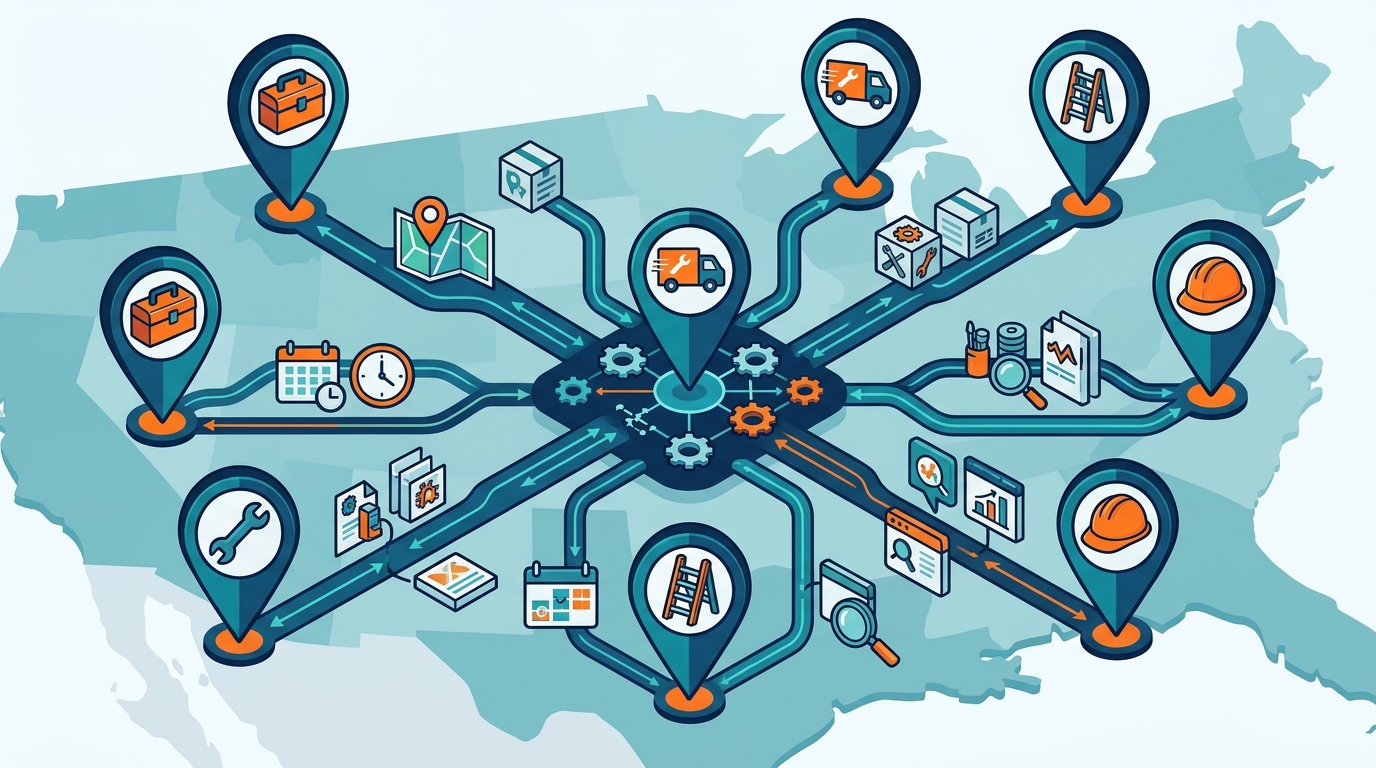
Unified Branding with Local Relevance
Expanding to multiple locations requires a balance between brand consistency and local relevance. Your directory should allow each branch to have its own unique content, such as local testimonials, specific service highlights, and community involvement, while maintaining a cohesive visual identity. A rigid template that forces every branch to look identical can hurt your local SEO efforts.
Local relevance is a key ranking factor for Google. Search engines want to see content that is specific to the user's location. A flexible directory platform allows you to customize the content for each branch, ensuring that you are speaking directly to the local community. This includes using local keywords and referencing local landmarks or neighborhoods.
Adstonix designs directory interfaces that allow for this level of customization. We create a modular system where the core brand elements remain consistent, but the local content can be tailored for each branch. This approach helps you build trust with local customers while maintaining a professional, unified brand image across all your locations.
Key Takeaways
- Ensure the platform supports distinct LocalBusiness schema for each branch to maximize local SEO rankings.
- Verify that the directory maintains sub-second load times on mobile devices to protect Core Web Vitals scores.
- Look for real-time integration capabilities that display branch availability or status directly in the directory.
- Confirm that you retain 100% ownership of the code and domain to avoid long-term vendor lock-in.
- Choose a platform that allows for localized content customization to improve relevance in specific service areas.
- Assess the scalability of the architecture to ensure it can handle future growth without requiring a complete rebuild.
Frequently Asked Questions
How does a branch directory affect local SEO?
A branch directory affects local SEO by creating unique, crawlable pages for each location. This allows search engines to index each branch separately, helping them rank in the local 3-Pack for their specific service areas.
Can I use a single website for multiple locations?
Yes, but you must use a directory structure that clearly separates each branch. A single page listing all branches is not effective for local SEO. Each branch needs its own dedicated URL and metadata.
What is the difference between a directory and a multi-location website?
A multi-location website is the overall structure, while the directory is the specific component that lists and organizes the branches. The directory is the user-facing interface that allows customers to find and contact specific locations.
Do I need to own the code for my directory?
Yes, owning the code is highly recommended. It ensures that you are not locked into a specific vendor and that you can make changes or migrate to a new host without losing your digital assets.
How long does it take to build a multi-location directory?
The timeline depends on the number of branches and the level of integration required. A standard directory can be built in a few weeks, while complex integrations with dispatch software may take longer.
Conclusion
Selecting the right branch directory platform is a strategic decision that impacts your local SEO, operational efficiency, and long-term scalability. By focusing on technical performance, local relevance, and code ownership, you can build a digital presence that grows with your business. Adstonix specializes in engineering these high-performance systems for home service companies. To discuss your multi-location expansion needs, schedule a free strategy consultation.