

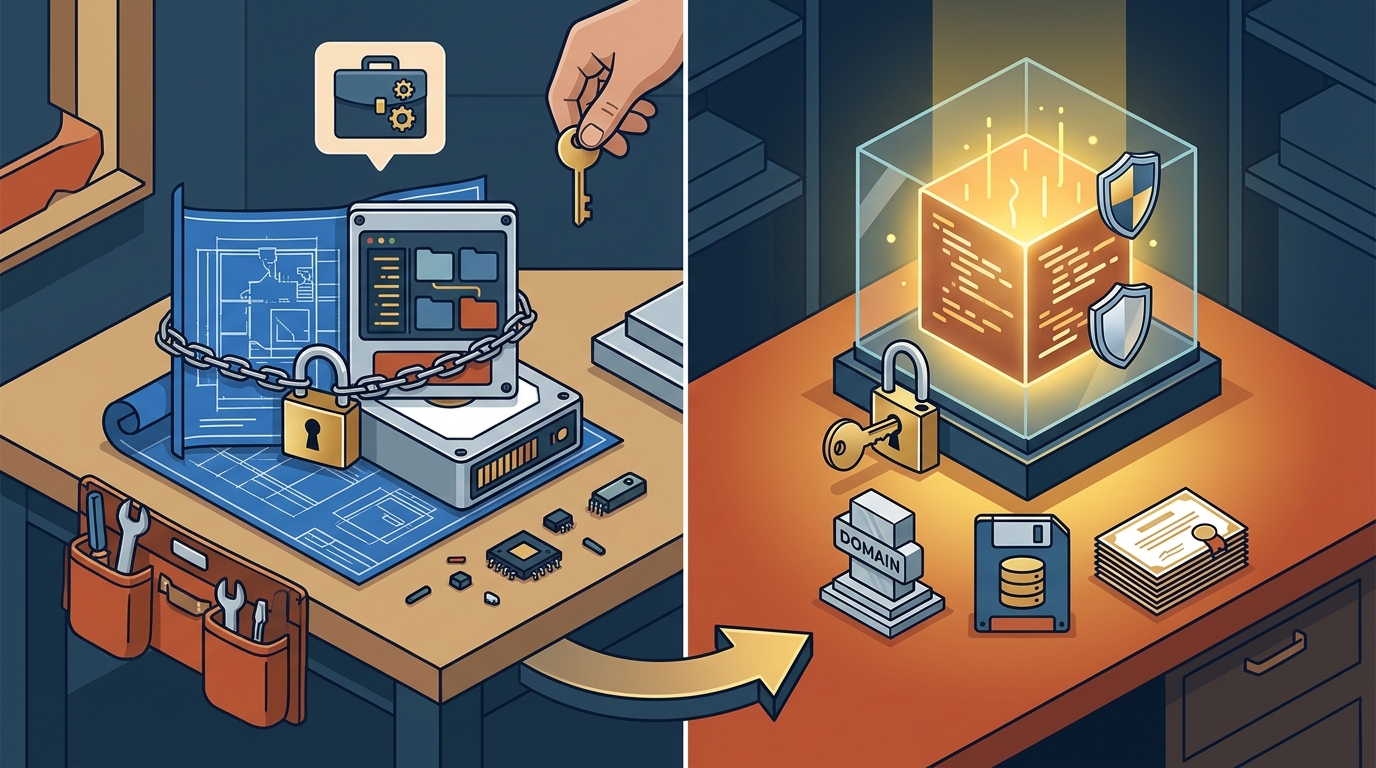
When you pay a flat fee to a developer, the default legal status of your website code depends entirely on the intellectual property transfer clause in your contract. Without explicit written agreement, the developer often retains ownership of the source code, even though you paid for the work. This distinction is critical because it determines whether you can modify, migrate, or sell your website in the future. Adstonix operates on a model of 100% full ownership, ensuring that once a project is delivered, the code, domain, and assets belong permanently to the client.
The Legal Default: Work for Hire vs. Commissioned Work
Understanding the legal framework is the first step in protecting your digital assets. In the United States, the concept of "work for hire" is a specific legal term with strict requirements. Work for hire is a legal doctrine where the employer, not the creator, is considered the author of the work for copyright purposes. However, this doctrine generally applies only to employees, not independent contractors. When you hire a freelance developer or an agency as an independent contractor, the default rule is that the creator retains the copyright to the code they write.
This means that if you pay a flat fee but do not sign a contract explicitly transferring intellectual property rights, you may only have a license to use the website, not ownership of the code itself. This is a common trap for small business owners who assume that paying for a service automatically grants them full rights. The implication is severe: if the developer goes out of business, changes their pricing, or simply refuses to make updates, you may be locked out of your own digital storefront. To avoid this, the contract must clearly state that the work is a "work made for hire" or that all intellectual property rights are assigned to the client upon final payment.
Why Source Code Ownership Matters for Business Continuity
Source code is the blueprint of your website. It is the set of instructions that tells the browser how to display your content and handle user interactions. Owning the source code is essential for business continuity because it allows you to make changes without relying on the original developer. If you do not own the code, you are dependent on the developer for every minor update, such as changing a phone number or updating business hours. This dependency can lead to inflated costs and slow response times, which are detrimental to local businesses that need to adapt quickly to market changes.
Consider a scenario where a local contractor needs to update their service area or add a new portfolio item. If the developer owns the code, the contractor must request these changes and wait for the developer to prioritize them. This friction can cost leads and revenue. In contrast, when a business owns its code, it can hire any developer or in-house staff to make changes. This flexibility is a key advantage of the flat-fee model when combined with proper IP transfer. Adstonix emphasizes this by providing clients with full access to the GitHub repository and hosting credentials, ensuring that the business is never held hostage by a single vendor.
The Role of Proprietary Frameworks and Templates
Not all code is created equal. Some developers use proprietary frameworks or templates that are licensed to them, not to the client. This is a subtle but important distinction. If a developer builds your website using a proprietary page builder or a licensed template, you may own the content you add, but you do not own the underlying code structure. This can limit your ability to migrate the website to a different platform or host. For example, if a developer uses a specific SaaS platform that requires a monthly subscription, you may be locked into that platform even if you want to switch to a more cost-effective solution.
To protect your investment, it is important to ask about the technology stack used in your website. Adstonix uses standard, open-source technologies like Next.js 15 and TypeScript, which are not tied to any specific vendor. This ensures that the code is portable and can be maintained by any qualified developer. The implication is that you are not locked into a specific ecosystem, giving you the freedom to choose the best tools for your business as it grows. This approach aligns with the principle of simplicity and scalability, where the most reliable systems are those with the fewest moving parts and no vendor lock-in.
Verifying Ownership: What to Look for in a Contract
Before signing any agreement, you should review the intellectual property section of the contract carefully. Look for language that explicitly states that all work product, including source code, design assets, and documentation, is transferred to the client upon final payment. This clause should be clear and unambiguous. It should also specify that the developer waives any moral rights to the work, which can sometimes prevent the client from modifying the code. Additionally, the contract should include a provision for the delivery of all source files, including the GitHub repository, hosting credentials, and any third-party API keys.
It is also important to verify that the developer has the right to transfer the code. If the developer uses third-party libraries or frameworks, they should ensure that the licenses for those components allow for commercial use and transfer. This is a technical detail that many small business owners overlook, but it can have significant legal implications. Adstonix includes a detailed handover process that ensures all assets are transferred and documented, providing the client with a complete and usable codebase. This transparency is a key differentiator in the market, where many agencies operate with opaque processes and unclear ownership terms.
Key Takeaways
- Default copyright law favors the creator, not the client, unless a written agreement states otherwise.
- "Work for hire" is a specific legal term that generally applies only to employees, not independent contractors.
- Source code ownership is essential for business continuity and the ability to make updates without vendor dependency.
- Proprietary frameworks and templates can create vendor lock-in, limiting your ability to migrate or modify your website.
- Always verify that the contract includes explicit IP transfer clauses and delivery of all source files and credentials.
- Using standard, open-source technologies like Next.js ensures code portability and long-term maintainability.
- Adstonix provides 100% full ownership of code, domain, and assets, with zero monthly retainers and direct senior execution.
Frequently Asked Questions
Do I own the code if I pay a flat fee?
Not automatically. You only own the code if the contract explicitly transfers intellectual property rights to you. Without this clause, the developer retains ownership, and you may only have a license to use the website.
What is the difference between owning the code and owning the website?
Owning the website typically means you control the domain and hosting, while owning the code means you have the rights to the source files. You can own the website but not the code, which limits your ability to make changes or migrate the site.
Can I hire a different developer to update my website if I own the code?
Yes. If you own the source code, you can hire any developer to make updates. This is a key advantage of code ownership, as it gives you the flexibility to choose the best provider for your needs.
What should I ask a developer about code ownership?
Ask if the code is built with proprietary tools or open-source frameworks. Request a copy of the source code and hosting credentials. Ensure the contract includes a clear IP transfer clause.
How does Adstonix handle code ownership?
Adstonix provides 100% full ownership of the code, domain, and assets. Clients receive access to the GitHub repository and hosting credentials, with no monthly retainers or vendor lock-in.
Conclusion: Securing Your Digital Assets
Understanding code ownership is essential for any business investing in a website. The default legal framework favors the developer, so it is your responsibility to ensure that the contract explicitly transfers intellectual property rights to you. By choosing a provider that prioritizes transparency and full ownership, you can protect your investment and ensure long-term business continuity. Adstonix is committed to providing clients with 100% full ownership of their digital assets, ensuring that you are never locked into a single vendor. To discuss your project and review the ownership terms, for a free consultation.